





Above it all, Samantha Cristoforetti
La prima è il mio sfondo di qualunque cosa elettronica possieda (pc, cellulare, tablet, etc.)
Above it all, Samantha Cristoforetti
La prima è il mio sfondo di qualunque cosa elettronica possieda (pc, cellulare, tablet, etc.)
(A gay couple has just met up in the restaurant and kissed each other upon arrival. Another customer has seen this and is obviously angry.)
Angry Customer: “Damn f**s.”
Gay Man: “Excuse me?”
Angry Customer: “You heard me, you little s***. Let’s not make this into some little pride protest, okay? I have to accept that you’re going to live your lifestyle, and you have to accept that I’ve got freedom of speech.”
Gay Man: *quietly* “Is it too much to ask for a little human decency?”
Angry Customer: “Human? Listen up, what you’re doing is not human. I think I have the right to determine what I think is human.”
(The manager shows up. He’s a quiet Italian man who I assume is conservative due to the Christian imagery and portrait of Reagan he keeps around the restaurant.)
Angry Customer: *to the owner* “Hey, can you move either them or us to another table?”
(Instead of responding to the angry customer, the owner instead speaks to his wife.)
Owner: “I’m sorry ma’am, but we have a strict ‘no pets’ policy in my restaurant.”
Wife: “Uh, I, uh, what? I don’t have a—”
Owner: “Well, according to your talking monkey over here, I can determine who’s a human and who’s not. You bring an animal into my restaurant; I gotta assume it’s your pet.”
(The angry customer storms out. When I left, the owner was giving his description, and copies of security camera footage, to the biggest crowd of police I’ve seen. Apparently it’s a bad idea to not pay your bill at a restaurant that gives free coffee to cops.)
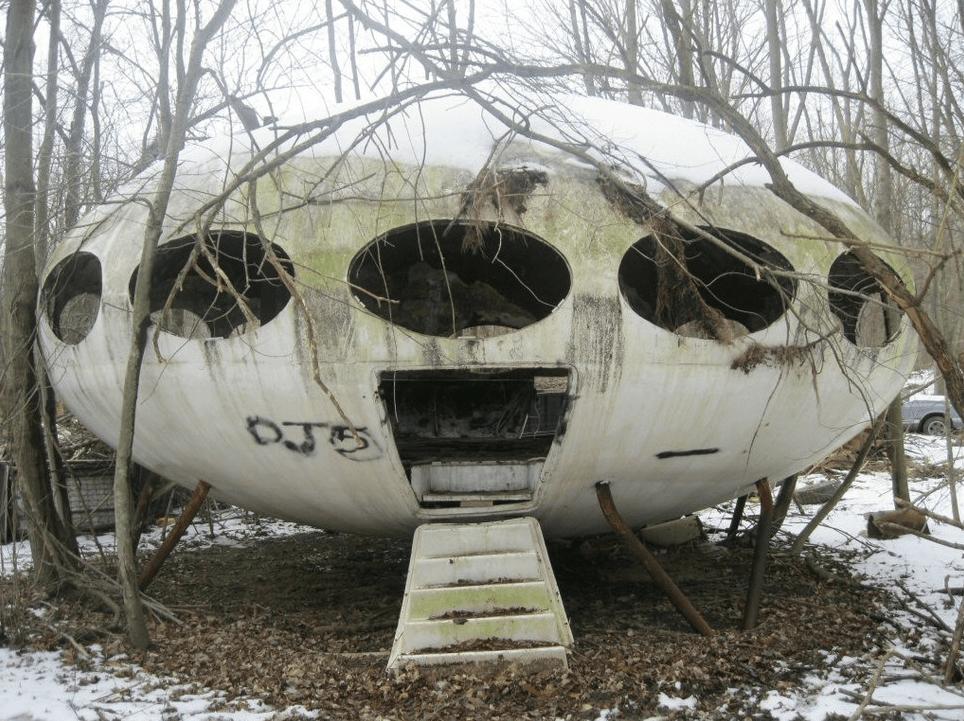
This abandoned Futuro House dates back to 1968, Pennsylvania [964 × 721]
Solo a me ricorda I Pronipoti ?
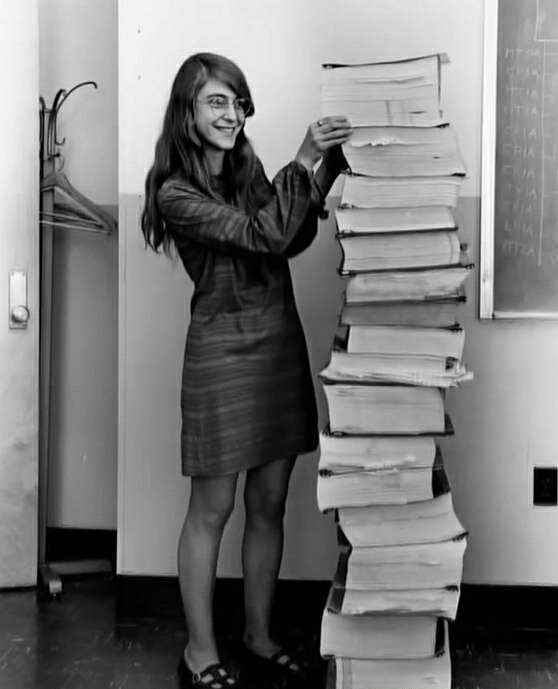
ishouldbestudyingbutiamblogging:
Margaret Hamilton is a computer scientist and mathematician. She was the lead software engineer for Project Apollo. Her work prevented an abort of the Apollo 11 moon landing. She’s also credited for coining the term “software engineer.”
Those stacks are the code she wrote for Apollo 11. Incredible.
shes gorgeous…


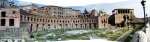
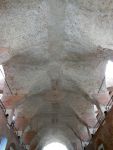
Researchers have announced a new understanding of Roman concrete — a versatile artificial stone that allowed Roman builders to create magnificent, open interiors of unprecedented scale. Collaborators used X-ray beams to study samples under the auspices of the Lawrence Berkeley National Laboratory to understand better why Roman concrete does not crumble and how monuments like the Pantheon, Colosseum, and Markets of Trajan stand to this day. Not only does this research enhance our comprehension of ancient building practice but also it offers hope for more environmentally friendly methods today.
Roman concrete uses a volcanic ash-lime mortar that is virtually crack-resistant combined with chunks of volcanic stone and other materials, often brick. Today’s concrete is made with limestone-based Portland cement, which requires a temperature of 1,450C (2,642F) to create and releases upwards of 7% of the world’s carbon emissions annually. Roman concrete, by contrast, does not require such high heat and could lead to the development of greener concrete through the use of volcanic material as the Romans did over two millennia ago.
Pantheon, 118-128 CE, Rome, aerial view
Sample of Roman concrete. Photo by Roy Kaltschmidt, Berkeley Lab
Colosseum, 70-80 CE, supporting concrete vaults, Rome
Trajan’s Markets, 100-110 CE, distant view and vaults of great hall, Rome

tsuki-nh, questa tocca farla eh.
Sono un po’ l’eroe della parata.
Ieri due persone vengono da me e mi dicono che hanno problemi con la tv. What? E dicono pure che hanno sentito da qualcuno (ma da chi?) che io me la cavo con le televisioni. Sì, mi piace criticare i programmi ma sta roba di hardware e di fili…Boh.
Ovviamente mi comporto come al solito: agisco come se sapessi perfettamente cosa fare. Aiuta sempre l’autostima con la carica del caffè e l’energia del cioccolato. Vado nella prima camera, chiedo alla cliente se ha provato a spegnere e riaccendere ma mi dice che il problema è che non si accende proprio il televisore.
Pensa, Emily. Esamina la scena. Ragiona. Cosa può essere?
- Stanza in ordine. Non sono state le coperte.
- Finestra chiusa. Non sono stati i gatti malvagi del giardino.
- La cliente sembra sana di mente.
Sposto la televisione e scopro che la spina è staccata. Faccio sedere la cliente e spiego tutto come nel finale dei libri di Agatha Christie. A quel punto la cliente caccia una rivoltella dalla borsetta e mi dice che no, non ritornerà in galera. Piuttosto la morte. Io alzo le mani e lei fugge via nella notte con la sua valigia e il rubino della Duchessa che vale milioni di sterline.
.
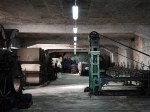
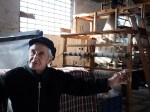

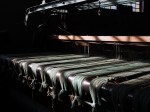
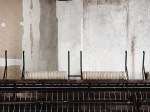
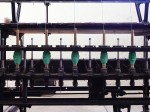
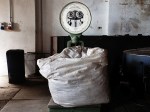

Il Lanificio Leo si trova a Soveria Mannelli, in provincia di Catanzaro.
Ne è proprietario il simpatico signore che ci accompagna nella visita e che ci racconta con orgoglio la storia della sua fabbrica, una delle pochissime in Italia che utilizza ancora metodi tradizionali per la lavorazione della lana.
Ci mostra come, partendo dalla lana appena prelevata dalle pecore si arrivi ad ottenere fili via via più pregiati man mano che la lavorazione procede.
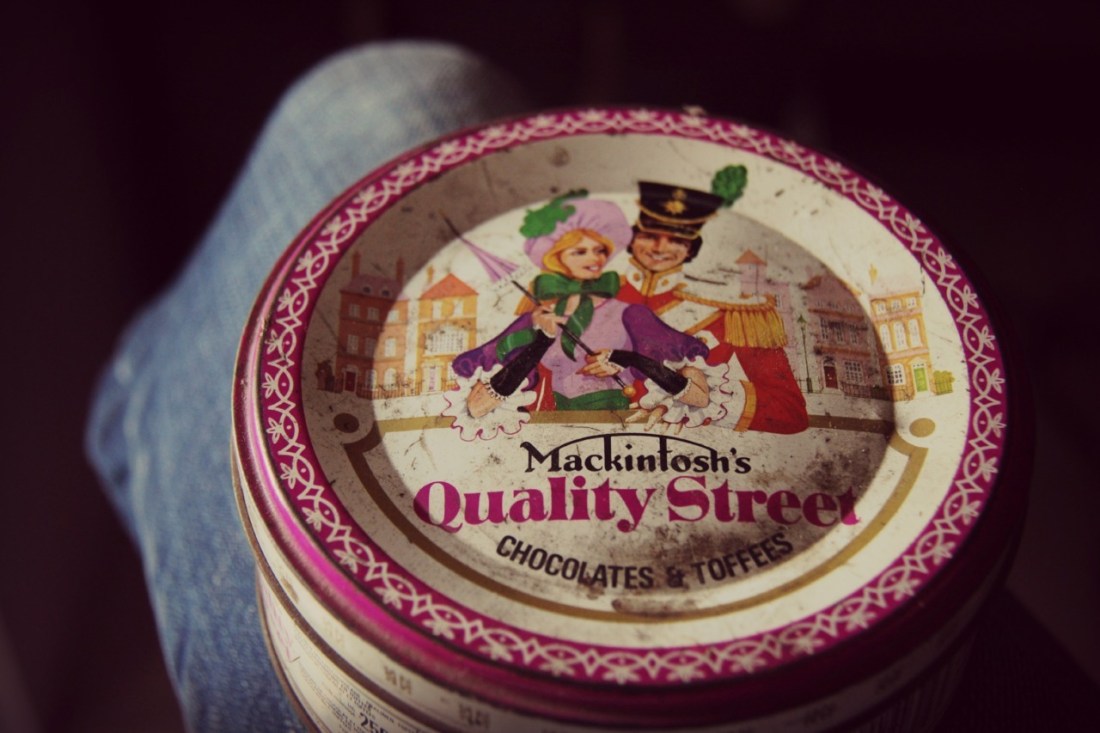
Cose belle appena ereditate.
Mia nonna aveva la stessa identica scatola ripiena di bottoni.
Evidentemente tutte le nostre nonne le riempivano di bottoni, dopo che ci avevano rifilato l’ultimo cioccolatino al ripieno di banana nella carta gialla…
La mia le spolette di filo.
I miei nipoti, se mai ci saranno, ci troveranno la collezione di accendini trovati in giro per la capanna dopo le serate distruttive.



 GigiopixTumblr