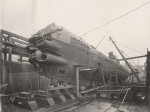
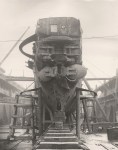
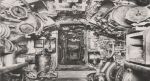
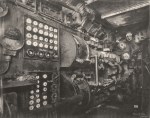
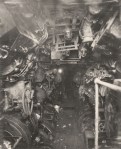
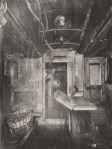
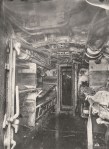
UB-110 was a TypeIII U-boat. It was sank on July 19th 1918, was probably the last u-boat sank during world war one. Twenty three of her thirty one crew died during her destruction. On October 4th 1918 she was raised from her watery grave and sold for scrap metal.
These pictures were taken just prior to her being broken up for scrap. They show the cramped conditions on board that the crew had endured.
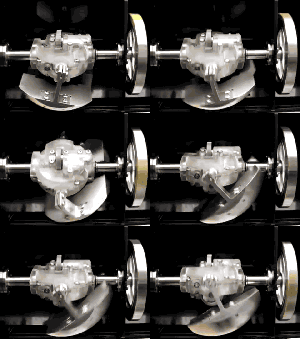
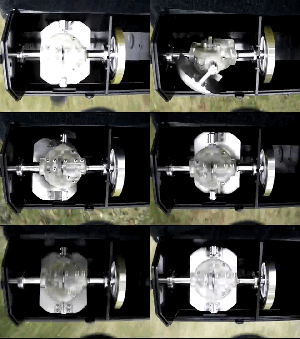
The WITT device can capture energy from six degrees of motion and directs it into spinning a unidirectional flywheel.
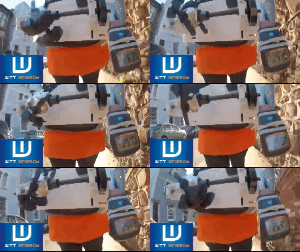
A prototype device being worn by a person while walking to harvest energy from the chaotic movement.
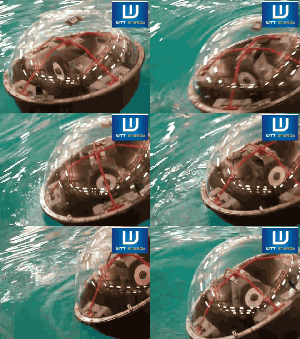
Encased in a watertight sphere, this prototype device has a 33 lb. pendulum turning a heavy flywheel that captures energy from wave motion to make power.
A WITT device prototype producing power from walking motion.
Though we go scrambling for an electrical socket or a new battery when our smartphones or other electronics need a boost, the energy to do the job is all around us. A ship bobbing up and down in the water or a jogger running in the park unleashes enough energy in their movements to potentially provide usable power. If only we could figure out how to harness the energy unlocked by chaotic movement and store it for use when it’s needed.
The machine above is called the WITT (Whatever Input to Torsion Transfer) device. It consists of two pendulums, which pivot around shafts that transfer chaotic movement in any direction to an attached flywheel. The torque from the spinning shafts is funneled into spinning the flywheel in a single direction, which stores energy in its rotation. That stored energy can then be tapped to generate smooth power output. Two patents have been issued for the chaotic motion energy harvester. Learn more below.
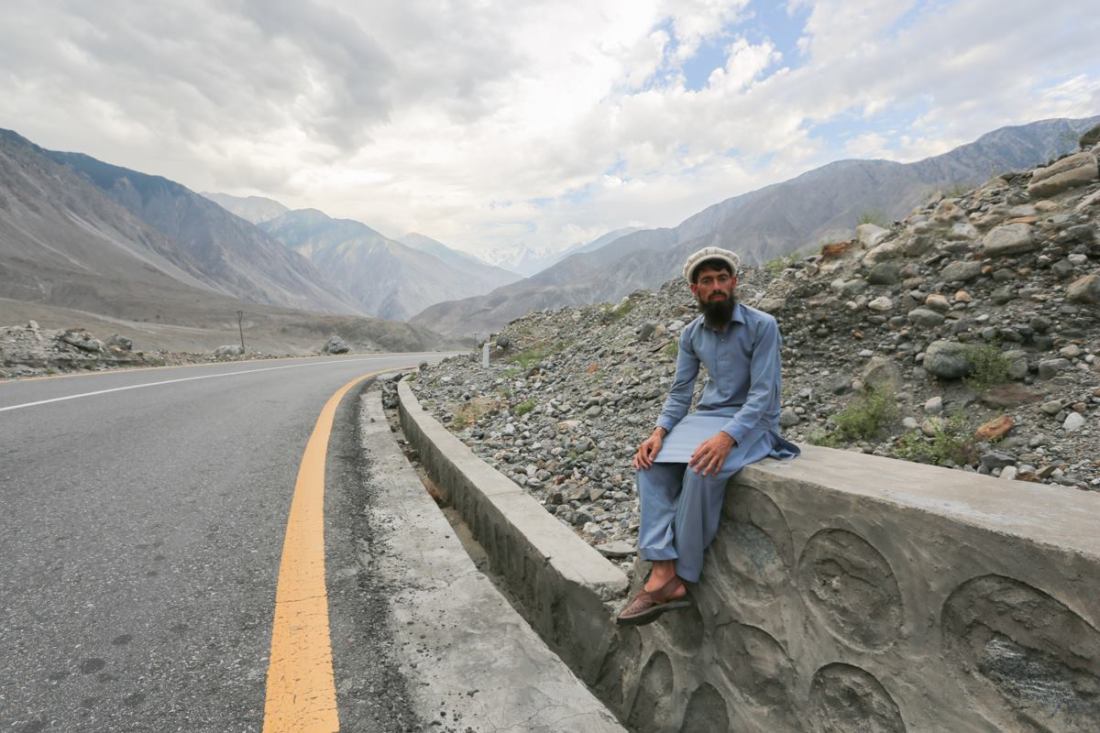
“Education changed the lives of my entire family. Before education, we knew only how to work. It was always very quiet in our home. My grandfather was a laborer, but he paid to send my father to a tutor so that he could learn to read. He told my father that, if nothing else, he should begin by learning how to read and write his name. When I was born, my father taught me how to read. I started with local newspapers. I learned that our village was part of a country. Then I moved on to books. And I learned that there was an entire world around this mountain. I learned about human rights. Now I’m studying political science at the local university. I want to be a teacher.”


















 GigiopixTumblr