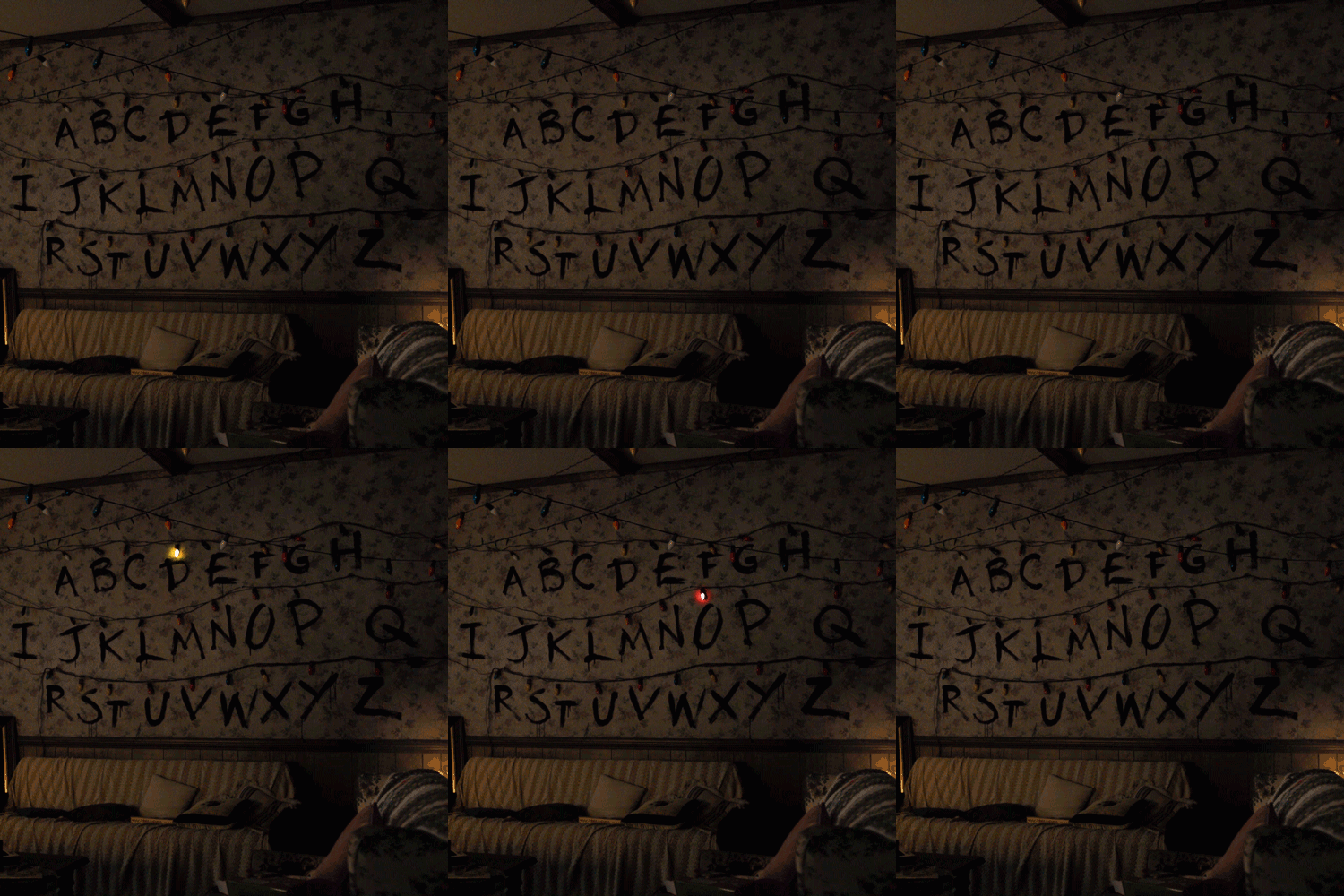
io sono alla seconda puntata e sinceramente è talmente goonies e super otto che se me la spoilerate manco mi incazzo, la gif è un peccato non giffi, ciao!
Niente spoiler, tranqui 🙂 La gif effettivamente non giffa da pc. Da cellulare si. Boh…
stamattina stavo portando i miei bimbi a giocare ( sono un babysitter a tempo perso ) e son passato come al solito davanti al monumento alle barricate dei Fatti di Parma.
ho risposto alla curiosità di Lara, di 8 anni, raccontandole di una battaglia mai finita contro un pensiero che vuole essere l’unico, con tutti i mezzi, contro la libertà. un pensiero che divide, uccide, punisce, incatena, impoverisce.
di come si è imbracciato i fucili per difenderci, a Parma in questi giorni degli anni ‘20.
di come si è morti dove si aspettava il treno, tra partenze per le vacanze e famiglie, a Bologna in questo giorno di tanti anni fa.
e le ho spiegato che non è una battaglia facile e lungi dall’essere vinta.
ma è una battaglia giusta.
Lara ha annuito ma ho visto nel suo sguardo un pochino perso un grande timore.
– no piccola, non dovrai usare anche tu il fucile. ma impara rispetto, giustizia e libertà, sono le armi migliori.
Speriamo davvero, che non dovrà mai usare anche lei il fucile.
Mio papà é un altro papà da dieci anni.
É una malattia romantica quanto crudele e stremante, l’Alzheimer. Alcuni estremi di assurdità che é in grado di conferire sono incredibilmente esilaranti. E questo lo può capire solo chi ci convive ogni giorno.
Giovedì lo operano alla gamba e oggi l’hanno ricoverato in ospedale.
Mi hai accompagnata a trovarlo dopo il lavoro ed era un po’ arrabbiato, un po’ musone, un po’ bambino che fa una nuova esperienza. É così, davvero.
Gli dico, andando via.
– ciao papi, fai il bravo e dormi, ci vediamo domani
*si volta verso mia madre e incredulo come se avessi detto una pazzia*
– come domani? Rosi, chesta chi l’è na rebambida. (Questa qui é rimbambita)
Gira che ti rigira mi fa sentire come se davvero avessi detto un’assurdità e mi strappa una risata questo suo alienarsi dalle cose, dai luoghi, dal tempo, dalle persone. Vorrei passare un giorno nella sua testa e vedere il mondo dalla prospettiva di un malato di Alzheimer.
Mi dico ogni giorno che la vita é stata ingiusta e spietata con mio padre, piango ancora la sera, a distanza di anni.
Dimmi, cosa c’è di più prezioso dei ricordi di un uomo? Cosa lo rendi privandolo?
Quando saliamo in macchina vedi la mia tristezza malcelata, mi dai un bacio sulla fronte e mi citi quel film giapponese di Gosho che ami: let’s have the dignity to laugh at our happiness.
Non lo tratti mai con accondiscendenza. Ed io per questo non smetterò mai di amarti e ringraziarti.
La mia idea di vacanze (Parte 1): libri e Settimana Enigmistica in veranda.
Sento sussurrarmi intorno che ci sono altri mestieri; bene! A voi! Scolpite marmi, combattete il beri-beri, allevate ostriche a Chioggia filugelli in Cadenabbia, fabbricate parapioggia, io fo buchi nella sabbia. O cogliete la cicoria o gli allori, e a voi Dio v’abbia tutti sempre in pace e gloria: io fo buchi nella sabbia
A otto anni decisi di dimostrare ai miei genitori che non ero mammone, come mio padre aveva paura che restassi quando dicevo che il calcio non mi piaceva. Anche le maestre se ne erano accorte, e i miei compagni di scuola mi tormentavano perché ero quello più educato e silenzioso, non facevo a botte con nessuno e non ero incline alla guerra. Non ero ancora molto timido, ma lo sarei diventato presto. L’Azione Cattolica organizzò una gita di cinque giorni in montagna, in una baita nel bosco, e io accettai di andarci da solo. Giunto lì, però, un gruppo di ragazzi più grandi cominciò a chiamarmi finocchio e finocchietto, ridendo di me ogni volta che tentavo di avvicinarmi ai gruppi, che giocavano alla caccia al tesoro o a nascondino. Mi schernivano per le scarpe, per il Nesquik che mamma aveva infilato nel borsone, per un bruco che avevo raccolto. Mi ritrassi, mi sentii braccato e mi misi a piangere nella cabina telefonica. Mi mancò subito mia madre, la mia cameretta lontana dagli stronzi e da chi gioisce della sofferenza di un debole, e pregai di sparire di lì. Fu la prima volta che mi rivolsi a Dio, al dio che l’Azione Cattolica diceva essere buono e misericordioso. Pregai tutta la notte, incapace di dormire, finché non svenni ammirando l’alba e i suoi colori turchesi. A colazione avvenne il miracolo: nonostante fosse solo il primo giorno, ce ne saremmo andati entro un’ora. Quando finalmente riabbracciai la donna che mi aveva messo al mondo senza avvertirmi di quanto sarebbe stata dura, ci rivelarono che il prete era morto nella notte. Allora mi dissi che era stato il mio peccato, l’incapacità di cavarmela. Avevo fatto il guaio, non dovevo più provarci, a fare l’ometto.
Chi non ha conosciuto il bullismo lo ritiene una ragazzata del passato, un comportamento naturale degli adolescenti, o una di quelle rare malattie che capitano sempre a qualcuno di imprecisato, nel mondo. Chi non l’ha conosciuto, comunque, fatica a comprendere i devastanti effetti che può infliggere a una persona, come le conseguenze di una pistola caricata a parole, anziché a proiettili. Lascia cicatrici interne e traumi che costringono la vittima a sprecare un’intera vita per superarli, sorvolando le sue bellezze, la spensieratezza, le gioie che offre e che si lasciano svanire. Chi è stato colpito dal bullismo impara presto l’inadeguatezza, il motivo per cui crede di essere stato scelto in mezzo a tanti. Accoglie in sé la certezza di essere e soprattutto di apparire diverso, manchevole delle caratteristiche e delle virtù che gli permettano di fare coalizione con gli amici. Sbagliato e dunque meritevole dell’isolamento. Nella colpa di essere la vittima e di essere solo, escluso dai più forti e anche da chi non corre in aiuto, chi è colpito dal bullismo preferisce subire l’angheria perché, in cuor suo, suppone di essersela procurata. La debolezza d’animo o fisica si trasformano in uno stemma, in un connotato, che gli modifica l’indole e il carattere, e lo conduce poi a subire in tutte le occasioni future e sociali. A evitare di ribellarsi, di opporsi, di far notare ciò che non va e di cui non è soddisfatto. Da adulto, chi è stato colpito dal bullismo ha il terrore di essere giudicato ancora, additato o preso di mira, e rifugge lo sguardo e l’opinione della gente. Non tollera i riflettori, essere al centro di una discussione, parlare in pubblico, dover dare prova delle sue conoscenze. Abituato a inibirsi, finisce col rimanere muto, proprietario di un pensiero a cui non sa più dare voce e forma. Coltiva il silenzio, lo rende la sua ancora solida, e col tempo si convince che la propria opinione in merito a tutto non valga nulla o sia inferiore a quella altrui. Chi è stato colpito dal bullismo suda, ha le guance rosse, le dita che tremano, il cuore che batte nelle orecchie, le fitte che attraversano il petto, il mal di pancia, l’insonnia, l’acido in gola, la stitichezza, il malumore. Chi è stato colpito dal bullismo lascia partire tanti treni, pur sapendo che potrebbero condurre a mete preziose, a carriere sperate, alla celebrazione dei propri sogni. Congela l’età degli eventi e del mettersi alla prova, ma continua a invecchiare e a pentirsene. Chi è stato colpito dal bullismo si guarda allo specchio e si vede grasso o troppo magro, inaugurando una lotta eterna ed estenuante con se stesso e una ricerca oculata dei propri difetti, che lo autorizzano a posticipare la felicità e la libertà di esprimersi. Detesta i suoi vestiti, i lineamenti del suo volto, il suo sorriso, il suo apparecchio per i denti, i suoi fianchi larghi, i suoi occhiali buttati a terra tante volte. Copre la fronte con il ciuffo, ritocca le foto con filtri che alterano o addirittura offuscano la sua immagine, che non tollera, oppure esalta le proprie bizzarrie con tatuaggi, piercing, dettagli estrosi o cupi, al fine di intimidire chi gli sta intorno e allontanarlo. Chi è stato colpito dal bullismo spesso non ha amici e sente di non essere destinato all’amore, all’essere amato, all’essere accettato. Il bullismo è una faccenda seria. Chi è stato trafitto dalle sue parole non ha forse cicatrici visibili, ma conserva i suoi traumi. Anche se può risultarci poco grave, risultarci un guaio scampato nella giovinezza che ormai non ci riguarda, ricordiamoci di chi ogni giorno cammina tra l’inferno che questa società non si impegna a estinguere. Ricordiamoci dei nostri figli, di chi si nasconde, di chi non sembra sereno. Dei più piccoli, che vivono in un mondo di adulti che troppe volte, senza volerlo, insegnano rabbia, rancore e godimento per chi perde. E ricordiamoci dei più grandi, di chi non l’ha superata. Che siano i genitori o la scuola, diciamo ai nostri figli di essere gentili con il futuro che dovranno costruire.
Between the time when the oceans drank Atlantis, and the rise of Silicon Valley, there was an age undreamed of…
Movies were sold on big reels of tape, wound up inside little plastic boxes.
And played on machines called VCRs.
And if you wanted to create a copy of a movie, you could hook two of these machines together and do it with no problem. In fact, it was ruled in a court of law that it was a fair use of someone elses copyrighted movie to make yourself an archival copy, so that if your tape broke, or the machine ‘ate it’ you wouldn’t have to buy another one.
Hollywood didn’t care for this.
So, when the digital age dawned, someone came up with the bright idea of selling movies on DVDs. And one of the big selling points, so far as Hollywood was concerned, was that you could encrypt the data of the movie on the disc, and put hardware to decrypt it in the DVD player, in such a way that it wouldn’t play if two DVD players were hooked together, and so that someone who put a DVD into a computer couldn’t copy it.
Techies and hackers didn’t care for this.
So, they started trying to figure out how to cryptanalyze the DVDs, which were encrypted with a tech called CSS, for Content Scrambling System. And they didn’t have much luck, because crypto is hard, and breaking it is harder. And then one day they caught a lucky break.
Some manufacturers of DVD players, from Taiwan iirc, put out a new product, one of which was bought by a hacker somewhere, who tinkered with it and realized that the makers had made a mistake. They hadn’t properly protected the chips that contained the CSS decryption key, which allowed this guy to get access to it and copy it. He then created a program called DeCSS, which would allow you to put a DVD in a computer and then ‘rip’ the data to your hard drive, then write it to another DVD. He posted it online, and within hours the news, and copies of the key and code, had spread all over the world.
Hollywood flipped their shit over this.
They brought the legal hammer down on this guy, and it ended up in court. He said he had a right, as per the previous Fair Use ruling, regarding VHS tapes, to copy DVDs as well. When people had previously complained that encryption was stripping them of their rights, Hollywood had argued that there was nothing in the law that said they had to make copying easy, and basically challenged them to figure out how to break it. In the court case, Hollywood argued that under a new law that had passed, the Digital Millenium Copyright Act, it was illegal to circumvent an DRM, or Digital Rights Management system. The plaintiffs counter-argued that they hadn’t really reversed engineered anything, that the dumb machines had been built wrong, that they had a right to tinker with it and see how it worked.
So, sitting between these parties was a judge who… to put it kindly, was probably in over his head. Probably some old guy, the kind of guy who still owned a VCR with the clocking blinking 12:00 PM because he didn’t know how to adjust the time. An old grandpa sorta guy. Maybe not a bad guy, just clueless about how tech works. So, when Hollywood argued that there should be some sort of injunction against the spread of the DeCSS software online, that it should be illegal for people to host it, or for others to download it, or to tell people how it worked, or even to link to it, gramps said, “Sure, why not? Here you go, here’s an order that says it’s illegal to possess this software.”
Well, the tech people freaked out about this, because it contradicted a number of already established precedents. Like Phil Zimmermann publishing the source code of PGP and shipping the books containing it to Europe, despite the fact that the encryption tech it contained had been ruled a munition that couldn’t be sold overseas. The precedent, that code was speech, and therefore subject to first amendment protections, seemed to be being thwarted in the DeCSS case. And the tech/hacker community wanted to make it clear that they weren’t going to stand for that.
So, some bright person somewhere, went out and got himself a shirt made, that had the source code of DeCSS printed on it, along with some quote from the order basically saying that it was illegal to buy or own this shirt, then started selling them on his website. This clever idea opened a floodgate of people coming up with unique ways to spread the source code of DeCSS, in a way that was tempting the court to try to stop them, on the grounds that the ruling would then go to a higher court and be turned over on first amendment grounds.
“Take t5’s low byte (AND t5 with two hundred fifty five) to put it
in the ith byte of the vector called k. Now shift t5 right eight bits;
store the result in t5 again. Now that’s the last step in the loop.
No sooner have we finished that loop than we’ll start another; no rest
for the wicked nor those innocents whom lawyers serve with paperwork.”
One of these people, Phil Carmody, raised an interesting argument. He said that software is just numbers. In fact, every piece of software is a single number, that is also a infinite number of numbers (or practically so) as there are nearly an infinite number of mathematical conversions or encodings you can perform on a number. So he wrote a little script version of DeCSS, then converted it to a number, then started to look to see if this number was the same as another somewhere. Was it hidden somewhere in pi? Or the Golden Ratio? What if you doubled it? or added 1 to it?
And after some searching, he found a list of the largest known prime numbers, wherein the 19th largest prime that had been found by that time, was the same as his code for DeCSS. So he posted this info online, and said, “If you go to this website, take this prime number, and save it in a file, then compile it, the output is this piece of software that is illegal to possess, transmit, or share information about.” Here it is, by the way:
Carmody argued, if the ruling that it’s illegal to do these things with the DeCSS software
holds up, then it’s also illegal to possess, transmit, or share
information about this prime number. It will become an illegal number. It would have to be redacted from websites, and whatever books it might appear in. People searching for new primes, or any other number, will have to worry about sharing them online, that they are on some list of illegal numbers somewhere. The lists will grow exponentially, as the precedent that this software is forbidden to possess or share, will lead others to demand that software, and numbers, they don’t care for be made illegal as well.
And then… I forget the rest. Whether it was finally ruled in the favor of common sense, or if the case simply petered out and nothing more was ever heard about it. I do know that no one was ever brought up on charges for possessing a number, and DeCSS has been widely available ever since the day it was first posted online (if you’ve ever used a movie ripping software like ffmpeg, you’ve used DeCSS or it’s descendents.)
More info. Also, this is now a crypto history blog, deal with it





 GigiopixTumblr