
Giorno: 8 gennaio 2017
Lui mangia tutte le patatine, lei lo accoltella
Mi ha giusto passato il link stamattina @tsuki-nh.
Con una faccina sorridente falsa come quella che fa quando mi passa questa foto.

Sicché niente, entro per comprare un assortimento di agrumi dal mio fruttivendolo albanese di fiducia, uno che lavora costantemente con 10° e un tasso di umidità del 97% e una percentuale di vecchine rincoglionite tastaverdura che farebbe sbroccare Gandhi, gli chiedo come va, mi risponde “Bene! uno deve sempre guardare i lati positivi. E quando va tutto male, uno se li deve creare.” e mi fa un sorrisone.
Questo m’ha scrostato tipo idropulitrice tutti i cazzi miei di dosso, e mentre tornavo a casa tutto idropulito con il mio sacchettone di arance ho pensato che tecnicamente questo è uno che ci sta aiutando a casa nostra, chissà cosa direbbe coso.

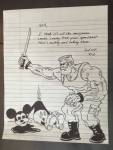

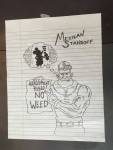


well that neighbor feud took an amusing turn.
I was not expecting this
they have really good art too
…and that’s how I met your mother.
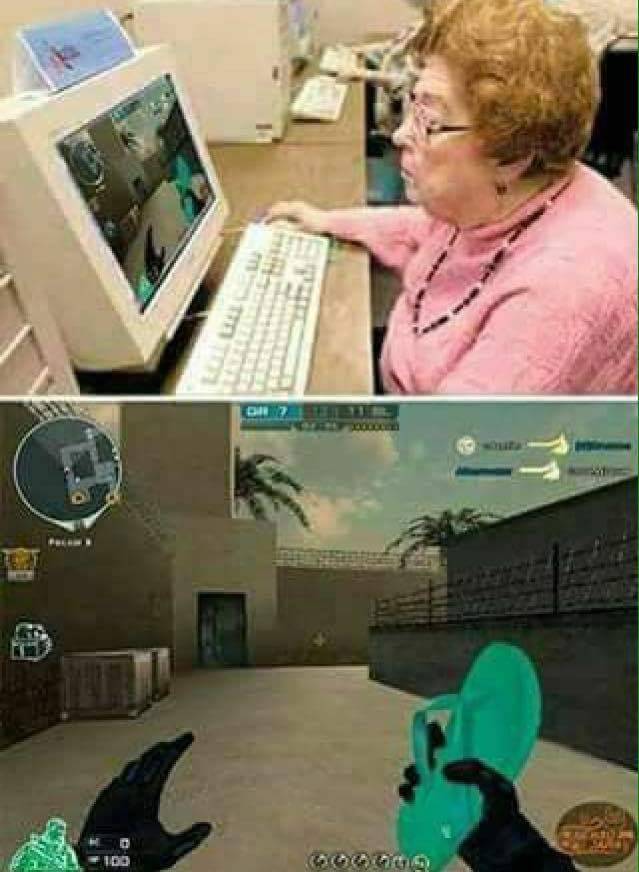

Some useful idioms you should know before you go to Italy
When in Florence: make sure to add maremma maiala whenever you ask for things in shops or bars. Locals appreciate it and they might give you a discount as well. For example: “How much are these leather shoes, maremma maiala?” or “Can I have two espressi, maremma maiala?”
When in Milan: make sure to say pirla every time you thank people. For example, they say “For the Duomo, you need to go left and then right” and you reply “Thank you, pirla.”
When in Naples: the word (e’) kitemmuort has the same function as “maremma maiala.” Neapolitans are really friendly and they might give you twice the discount you normally get in Florence. Example: “Two pizze margherite, e’ kitemmuort!”
When in Venice: when on public transport they ask you for the ticket, you should always say va in mona after showing your ticket to the officer. It’s sign of courtesy in Venice. Example: “May I see your ticket, sir?” and you reply “Here it is, va in mona.”
When in Rome: the word mortacci tua has the same function as “pirla” but it comes before the “thank you.” For example, they say “For the Colosseum take the metro B” and you reply “Mortacci tua, thank you!”
When in Palermo: the word cuinnutu has the same function as “pirla.” For example, “Thank you, cuinnutu!” Make sure to do the heavy metal gesture with your right hand when saying so.
When in Sardinia: the word coddaproccusu it’s normally used when you’re asking for directions. For example, you want to visit the beautiful Villa Certosa in Olbia but you don’t know where it is. You should say “Excuse me, coddaproccusu, how can I get to Villa Certosa?”
When in Turin: it’s considered very polite to say testa ‘d còj when people help you. “Testa ‘d còj” means “kind head” as “testa” means “head” and “còj” means “kind.” Example: “Thank you testa ‘d còj!”
When in Pisa: you can substitute a classical sir or madam with a more elegant ghiozzo di bua. It’s often used to politely ask for information to policemen or carabinieri. E.g: “I beg your pardon, ghiozzo di bua, can you please show me my position on this map?”
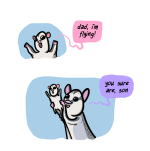
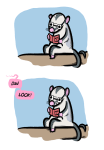
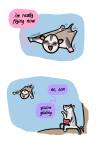

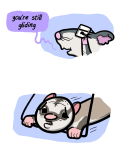

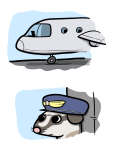

Sugar flier
Ep 78 – 1111 AnimalsI DID NOT HAVE A PERMISSION SLIP FOR THIS FEELS TRIP.
He’s flying

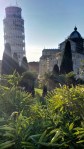
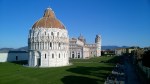
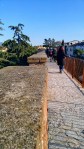
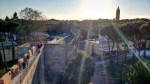
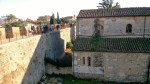
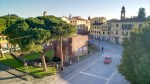
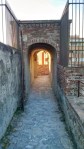
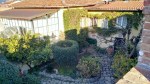
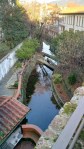


Bella la mi’ Pisina. Anche dopo tanti anni, continua ancora a sorprendermi con prospettive nuove.
Sulle mura non c’ero ancora stato.

 GigiopixTumblr