
Vivo la vita ¾ di teglia alla volta
Fast and Furious – pranzo da nonna drift
(via giovaneanziano)
(via giovaneanziano)
Vivo la vita ¾ di teglia alla volta
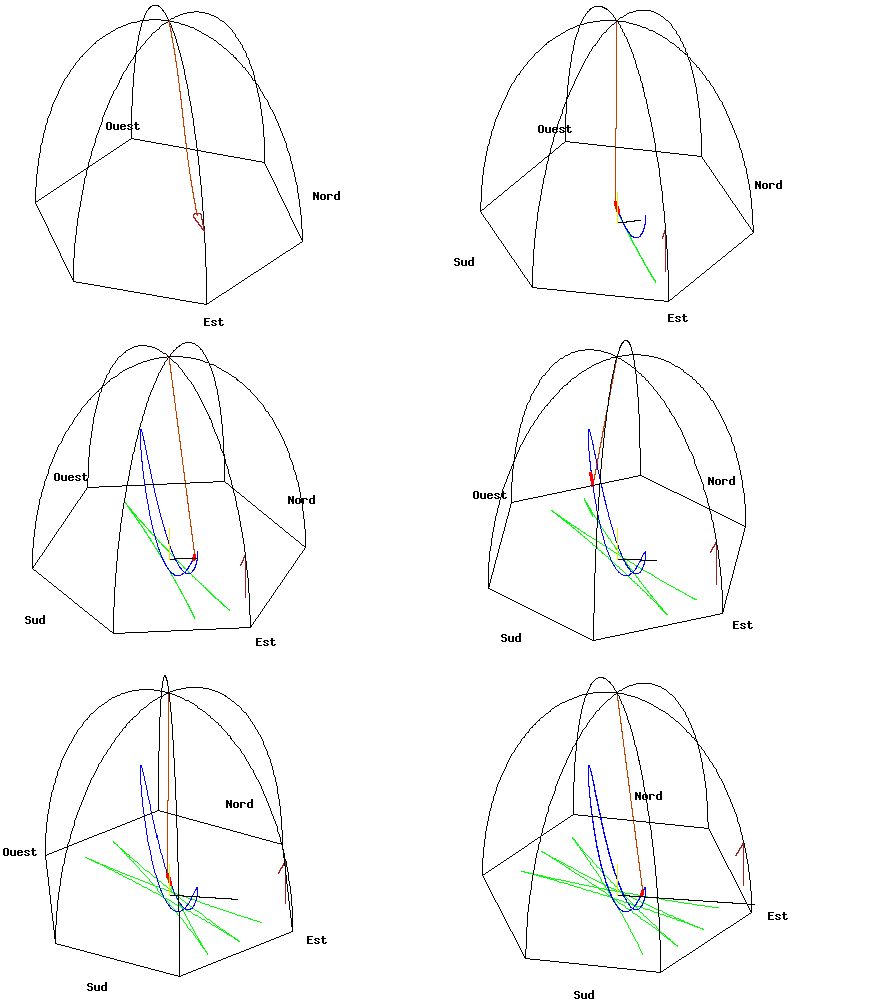
Foucault’s Pendulum
Jean Foucault was born in 1821 to a publisher in Paris. In addition to defining and inventing the Foucault pendulum, Foucault is credited with naming the gyroscope. But first, the pendulum. Since the time of Galileo who defined the laws governing the motion of pendulums, but Foucault was the first to use the pendulum to show the rotation of the earth independent of celestial observation. Before he was thirty he devised an experiment to measure the speed of light. Today he is known more for the pendulum that bears his name than any of his other achievements. The word pendulum is a New Latin neuter of the noun pendulus meaning hanging down from the verb pendere meaning to hang.
Animation of a Foucault pendulum at the Pantheon in Paris (48°52’ North), with the Earth’s rotation rate greatly exaggerated. The green trace shows the path of the pendulum bob over the ground (a rotating reference frame), while the blue trace shows the path in a frame of reference rotating with the plane of the pendulum.
GIF of the motion of a Foucault pendulum relative to the motion of the earth courtesy Nbrouard, used with permission under a Creative Commons 3.0 license.
Stamattina sono entrata in metro senza ombrello che era coperto e sono uscita che diluviava.
Mi sono buttata sotto la tettoia di un benzinaio che disgraziatamente non vendeva ombrelli ma che mi ha segnalata ad una signora che era lì a fare benzina, che mi ha dato uno strappo al primo supermercato dove ho potuto comprarne uno.
Penso sia la prima volta in 32 anni di vita che qualcuno mi da un passaggio a Milano, e già questo è bastato per aumentare di due tacche la mia fiducia nel mondo.
Ero dall’altra parte di Milano per visitare una scuola dove vorrei fare volontariato.
È un posto dove due volte alla settimana ci si ritrova per insegnare italiano alle mamme immigrate, mentre nell’altra stanza i bimbi giocano.Sono bastate due ore per capire che devo vaccinarmi per le esantematiche e che qualcuno che ancora ci crede c’è.
E combina molto più da solo di quello di tutti coloro che si lamentano ma restano ad attendere che sia lo Stato a fare qualcosa.E niente, sono contenta che ci siano persone che si prendono ancora la briga, e in parte anche il gusto, di fare cose così 🙂
Uno pensa che nel 2015 potrebbe pure diventare uno standard negli articoli mettere i link (non autoreferenziali) alle cose verificabili, o anche avere una qualche panoramica tecnica (divulgativa) se sono coinvolti aspetti tecnici, insomma qualcosina che ti faccia capire anche solo vagamente che chi ha scritto un articolo abbia un’idea anche vaga delle cose di cui sta parlando.
Dopo aver letto una quarantina di articoli del tenore “la brum della VW ha un psst nella centralina” ci tenevo ad agevolarvi il primo articolo relativamente esaustivo che ho trovato:
http://www.vox.com/2015/9/21/9365667/volkswagen-clean-diesel-recall-passenger-cars(poi magari esiste di meglio e/o salta fuori che quelli di vox.com sono finanziatori di Trump, ma pazienz’)
Non per voler fare la punta al cazzo, eh, ma a me pare tutto fuor che esaustivo questo articolo.
“the car automatically turned its pollution controls on“
Come? In che modo? Cambia la mappatura della centralina? Chiude la valvola EGR? Alza il numero di giri al minimo ? Non e’ che agiti una bacchetta magica urlando “pollution controls on“, e per magia inquina meno. Di metodi ce ne sono tanti, e fare ipotesi sui motivi per cui l’hanno fatto senza nemmeno sapere esattamente COME l’hanno fatto, e’ speculazione.

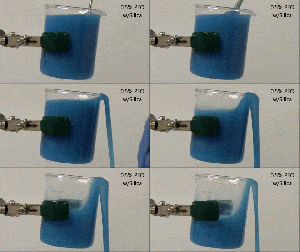
Non-Newtonian fluids are capable of all kinds of counter-intuitive behaviors. The animations above demonstrate one of them: the tubeless or open siphon. Once the effect is triggered by removing some of the liquid, the fluid quickly pours itself out of the beaker. This is possible thanks to the polymers in the liquid. The falling liquid pulls on the fluid left behind in the beaker, which stretches the polymers in the fluid. When stretched, the polymers provide internal tension that opposes the extensional force being applied. This keeps the fluid in the beaker from simply detaching from the falling liquid. Instead, it flows up and over the side against the force of gravity, behaving rather more like a chain than a fluid! (Image credit: Ewoldt Research Group, source)

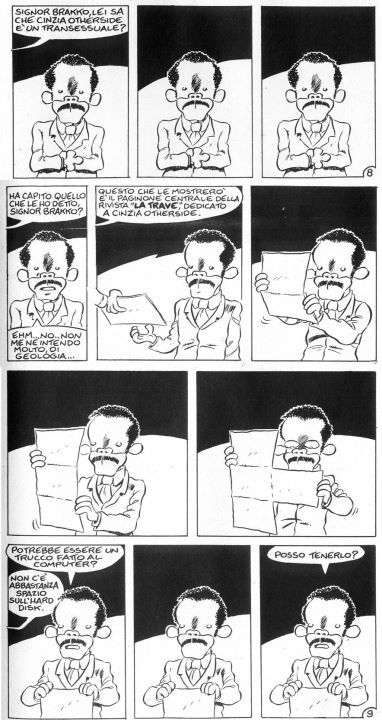
 GigiopixTumblr